Real Estate Investment Trust Kenya
What is a Real Estate Investment Trust (REIT)?
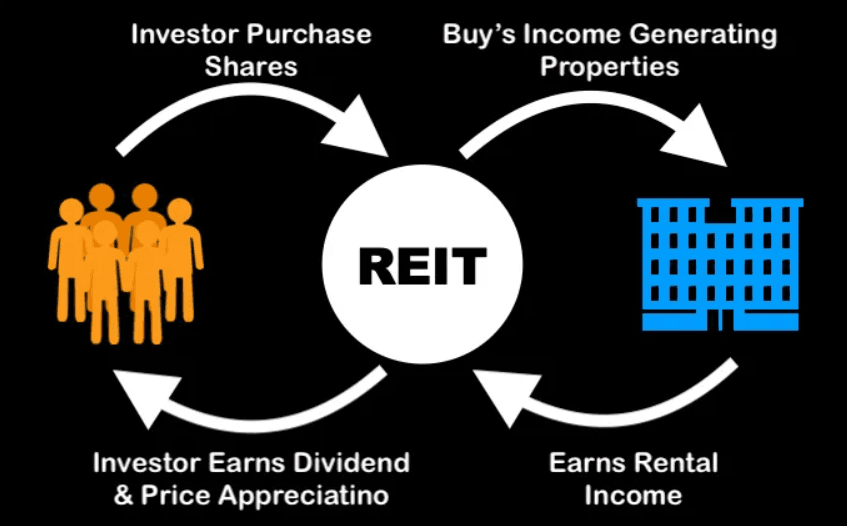
Instead of buying a Ksh 50 million apartment, you can buy units (shares) in a REIT for as little as Ksh 1,000–5,000 — and still earn rental income and capital gains.
✅ Types of REITs in Kenya:
- Income REITs — Own and manage properties (e.g., malls, offices). Pay dividends from rent.
- Development REITs — Invest in property development. Higher risk, higher potential returns.
- Islamic (Shariah-compliant) REITs — Asset-backed, interest-free structures.
⚖️ Regulated by the Capital Markets Authority (CMA) under the REIT Regulations, 2013.
🇰🇪 Top REITs in Kenya (2025)
1. I-REIT (by Stanlib Fahari) — Kenya’s First Licensed REIT
- Type: Income REIT
- Launched: 2015 (listed on NSE)
- Assets: Fahari House (Upper Hill), Two Rivers Mall (partial stake)
- Dividend Yield: ~6–8% p.a. (historical)
- Minimum Investment: Ksh 1,000 (via NSE or fund managers)
- Website: www.stanlibfahari.co.ke
💡 Why invest? Liquid, regulated, pays quarterly dividends. Ideal for beginners.
2. Lipa Later REIT (Proposed) — Retail & SME-Focused
- Type: Income/Development Hybrid
- Status: In registration with CMA (as of 2025)
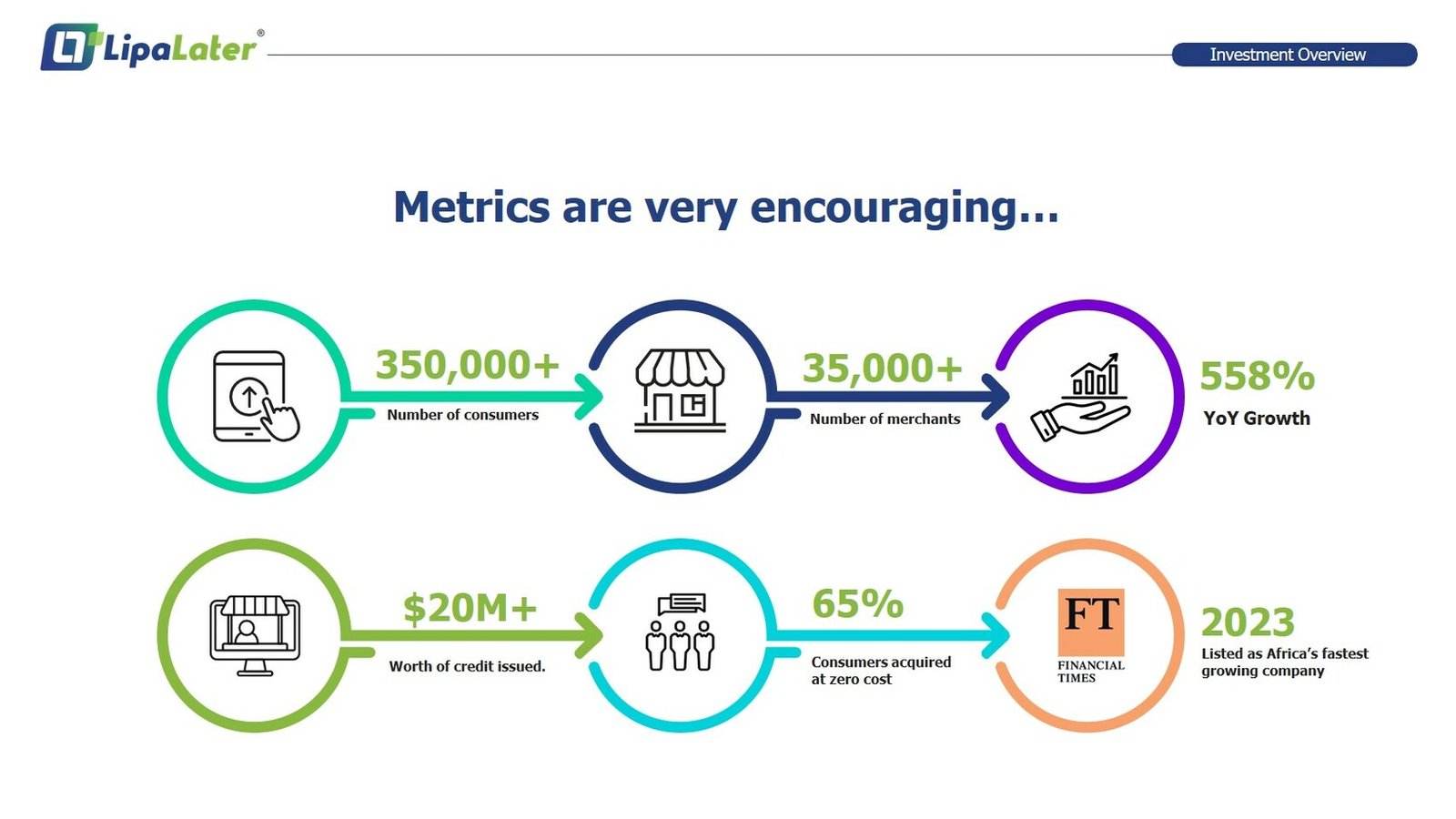
- Focus: Acquiring retail spaces leased to SMEs using Lipa Later’s credit system
- Potential Yield: Projected 8–10% p.a.
- Watchlist: Great for investors eyeing Kenya’s booming SME retail sector.
💡 Why watch? Innovative model linking fintech + real estate. Could be Kenya’s next big REIT.
3. Cytonn High Yield Solutions (CHYS) — NOT a REIT (Important!)
⚠️ Note: Cytonn markets “real estate-backed” products, but CHYS is NOT a licensed REIT. It’s a private fund with higher risk and no CMA oversight. Always verify REIT status with CMA before investing.

✅ Benefits of Investing in Kenyan REITs
✔️ Low Entry Cost — Start with as little as Ksh 1,000
✔️ Passive Income — Earn quarterly dividends without managing tenants
✔️ Diversification — Spread risk across multiple properties
✔️ Liquidity — Buy/sell units on NSE (for listed REITs like Fahari)
✔️ Professional Management — Experts handle maintenance, leasing, legal
✔️ Inflation Hedge — Real estate typically appreciates with inflation
⚠️ Risks & Challenges
❌ Limited Options — Only 1 fully operational REIT (Fahari I-REIT) as of 2025
❌ Market Volatility — REIT prices can dip with interest rate hikes or economic slowdowns
❌ Regulatory Delays — CMA approval process for new REITs can be slow
❌ Liquidity Risk (Unlisted REITs) — Hard to exit if not traded on NSE
❌ Tenant Risk — Vacancies or defaults can reduce dividends
🛡️ Tip: Stick to CMA-licensed REITs. Avoid “REIT-like” products from unregulated developers.
🚀 How to Invest in a REIT in Kenya (Step-by-Step)
Step 1: Open a CDS Account
→ Through a licensed stockbroker (e.g., NCBA, SBG Securities, Dyer & Blair)
Step 2: Fund Your Account
→ Deposit money via bank transfer or mobile money
Step 3: Buy REIT Units
→ Search for “Fahari I-REIT” (NSE Symbol: FIREIT) and place your order
Step 4: Receive Dividends
→ Paid quarterly directly to your broker account or bank
Step 5: Monitor & Reinvest
→ Track performance via NSE website or your broker’s app
📱 Many brokers now offer mobile apps — making REIT investing as easy as buying airtime.
❓ Frequently Asked Questions (FAQs)
Q: Is investing in REITs safe in Kenya?
A: Licensed REITs (like Fahari I-REIT) are regulated by CMA and relatively safe. Avoid unlicensed “REITs” from property developers — they carry higher risk.
Q: How much do I need to start?
A: As little as Ksh 1,000 — the price of one unit of Fahari I-REIT (varies daily on NSE).
Q: How often are dividends paid?
A: Fahari I-REIT pays quarterly dividends (March, June, September, December).
Q: Can foreigners invest in Kenyan REITs?
A: Yes! Foreign investors can buy REITs via NSE — no restrictions. You’ll need a CDS account and KRA PIN.
Q: What’s the difference between a REIT and buying property directly?
A: REITs = passive, liquid, low-cost. Direct property = hands-on, illiquid, high entry cost. REITs let you diversify without maintenance headaches.