Chinese Real Estate Developers in Kenya
Why Chinese Developers Entered Kenya’s Real Estate Market
China’s involvement in Kenya began with infrastructure — SGR, highways, ports — under the Belt and Road Initiative (BRI). But by 2020, Chinese firms noticed:
- Kenya’s 2 million+ housing deficit
- Rising urban middle class with buying power
- Government push for affordable housing
- Weak local developer capacity for large-scale projects
Result? Chinese construction giants pivoted to real estate development — bringing capital, speed, and scale.

🏗️ Top 5 Chinese Real Estate Developers in Kenya (2025)
1. China Road and Bridge Corporation (CRBC) — Affordable Housing Giant
- 📍 Key Projects:
- Pioneer’s Estate (Athi River) — 5,000+ units
- Syokimau Affordable Housing — Phase 1 & 2
- Kisumu & Nakuru Affordable Housing (ongoing)
- 💰 Price Range: Ksh 750,000 – Ksh 4 million (NHIF eligible)
- ✅ Pros: Fast construction, government-backed, NHIF/Mortgage link
- ⚠️ Cons: Basic finishes, long move-in delays reported in Phase 1
- 🌐 Website: www.crbc.com (Global) | Kenya projects via housingfund.go.ke
💡 Best for: First-time buyers, NHIF contributors, budget-conscious families.
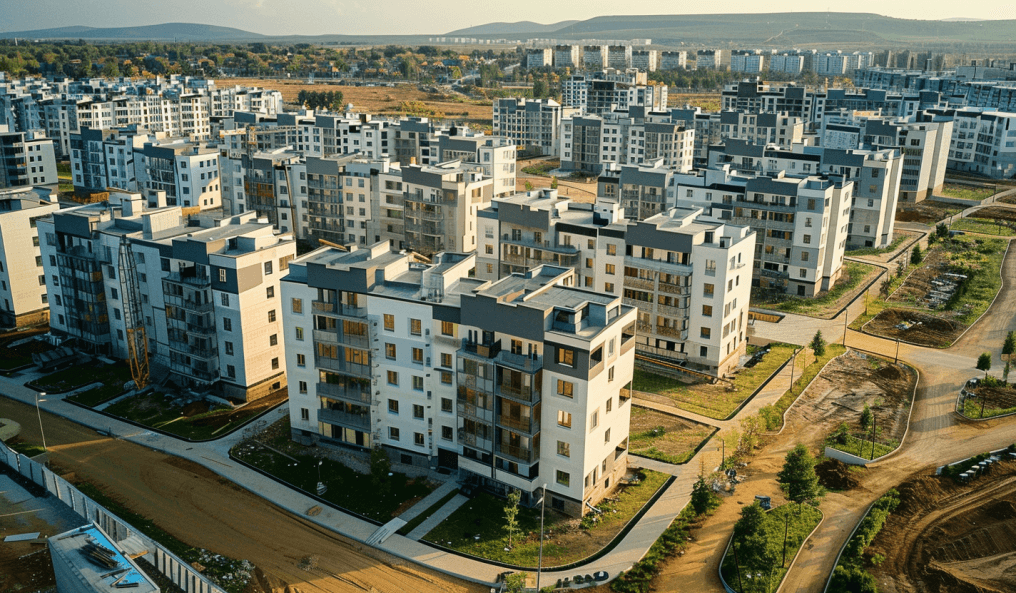
2. Shanghai Construction Group (SCG) — Mid to High-End Apartments
- 📍 Key Projects:
- The Horizon Residences (Upper Hill) — 300 luxury units
- Westlands Gateway (Mixed-use: retail + offices + apartments)
- 💰 Price Range: Ksh 12M – Ksh 50M+
- ✅ Pros: High-quality finishes, smart home tech, fast elevators
- ⚠️ Cons: Higher deposit (20–30%), limited payment flexibility
- 🌐 Website: www.scg.com.cn
💡 Best for: Investors, expats, high-income earners seeking premium finishes.
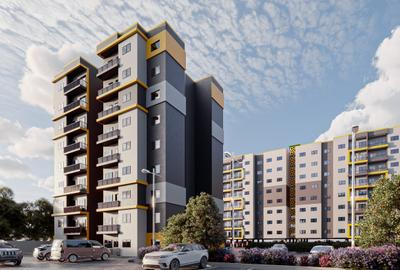
3. China State Construction Engineering Corporation (CSCEC) — Commercial & Mixed-Use Leader
- 📍 Key Projects:
- Nairobi East City (Embakasi) — Retail + Offices + Apartments
- Two Rivers North Extension (Commercial Pods)
- Konza Technopolis Phase 2 (Tech Parks + Housing)
- 💰 Commercial Rent: Ksh 150 – 250/sq ft/month
- ✅ Pros: Integrated live-work-play environments, strong tenant mix
- ⚠️ Cons: Traffic congestion in Embakasi, slow lease-up in Konza
- 🌐 Website: www.cscec.com
💡 Best for: Retail investors, SMEs seeking office space, tech companies in Konza.
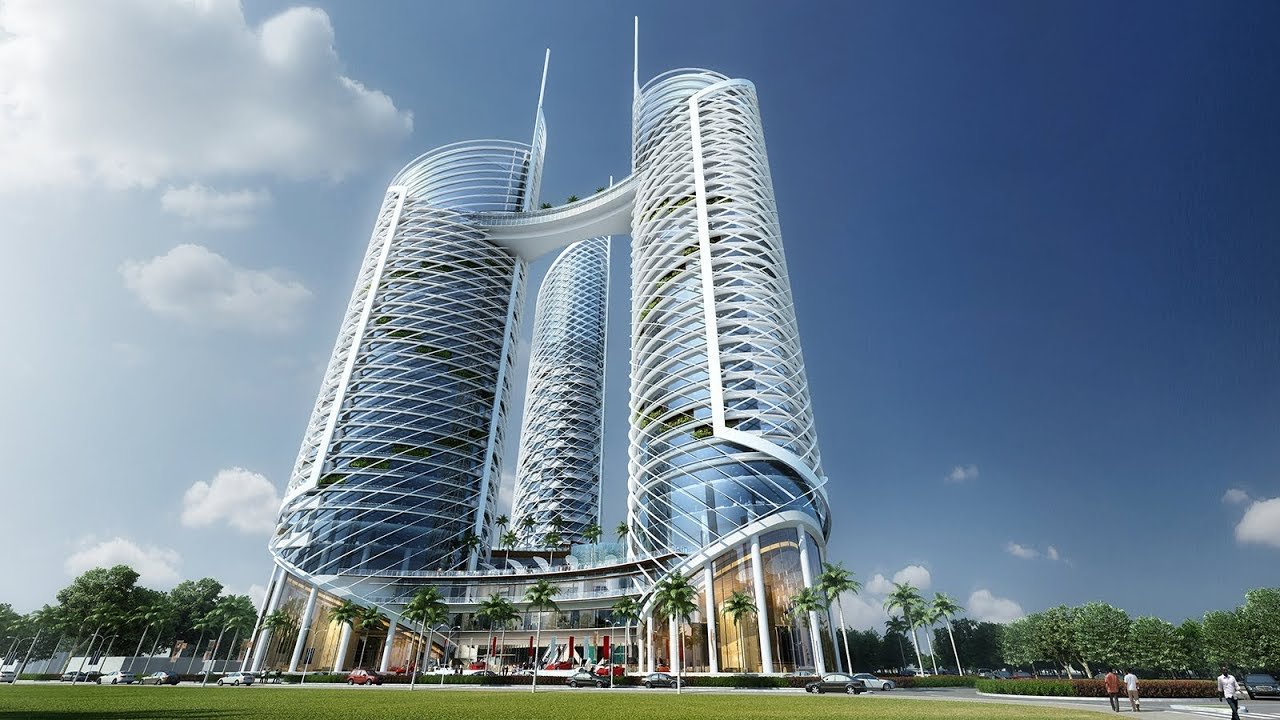
4. Rendeavour (Partnership with Chinese Capital) — Africa’s Largest Private Developer
- 📍 Key Projects:
- Tatu City (3,000+ acres, 150,000 residents planned)
- Athi River City (New 5,000-acre satellite city)
- Kingstone (Karen-adjacent luxury plots)
- 💰 Price Range: Ksh 5M – Ksh 50M (land & homes)
- ✅ Pros: Long-term master planning, infrastructure-first approach, schools/hospitals included
- ⚠️ Cons: Slow appreciation in early phases, distance from CBD
- 🌐 Website: www.rendeavour.com
💡 Note: Rendeavour is Africa-based but funded by Chinese institutional capital (e.g., CIC, Fosun).
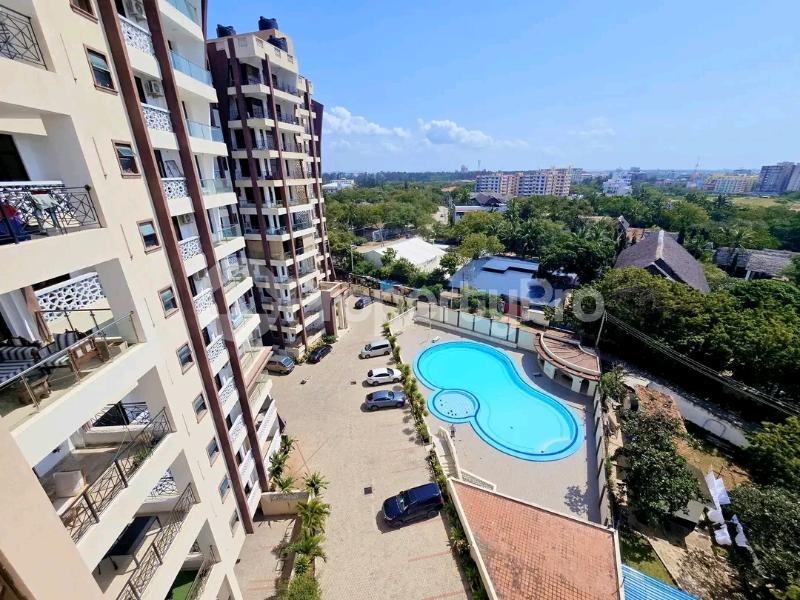
5. Zhongmei Engineering Group — Budget Housing & Student Hostels
- 📍 Key Projects:
- Student Cities near JKUAT, Kenyatta University, Maseno
- Low-Cost Flats in Kitengela & Ngong
- 💰 Price Range: Ksh 3M – Ksh 8M (flats), Ksh 800K – Ksh 2M (hostel rooms for investors)
- ✅ Pros: High rental yields (12–18%), all-inclusive management
- ⚠️ Cons: Basic amenities, tenant turnover in student areas
- 🌐 Website: www.zhongmei.com (Chinese only)
💡 Best for: Buy-to-let investors, parents buying for students, diaspora seeking passive income.
✅ Benefits of Chinese Developers in Kenya
✔️ Speed — Projects completed 30–50% faster than local firms
✔️ Scale — Can build 1,000+ units simultaneously
✔️ Price — Competitive due to bulk material imports & labor efficiency
✔️ Tech — Use BIM, prefab, and smart construction tech
✔️ Jobs — Hire 60–70% local labor (skilled + unskilled)
📊 According to KNBS 2024, Chinese firms employed 12,000+ Kenyans in construction in 2023.
⚠️ Controversies & Challenges
1. Labor Practices
- Reports of long hours, low pay for Kenyan workers (though improving)
- Skilled positions (engineers, project managers) often held by Chinese expats
2. Material Imports
- 60–80% of materials imported from China → less support for local industry
- Some substandard materials reported in early projects (now regulated)
3. Debt & Ownership Concerns
- Fears of “debt-trap diplomacy” — though housing projects are not typically loan-backed
- Land ownership: Chinese firms lease, not own — max 99 years under Kenyan law
4. Cultural Gaps
- Communication barriers with local buyers/tenants
- Design mismatches (e.g., small balconies, no yards — not ideal for Kenyan families)
🛡️ Government Response: New regulations require 70% local hiring, material testing at KEBS, and Swahili-speaking customer desks.
💡 Should You Buy From a Chinese Developer? Smart Buyer’s Checklist
✅ Verify Developer’s Track Record — Visit past projects, talk to residents
✅ Check Title & Approvals — Ensure land is clean, NEMA & county permits in place
✅ Understand Payment Plan — Avoid “pay-all-upfront” schemes — demand phased payments
✅ Review Finishes — Get sample flat or material list — don’t rely on brochures
✅ Confirm Management Plan — Who handles maintenance, security, waste?
✅ Use Independent Lawyer — Never skip legal due diligence — even for “government-backed” projects
🚩 Red Flag: No physical sales office, only WhatsApp agents, pressure to pay cash.
❓ Frequently Asked Questions (FAQs)
Q: Do Chinese developers own land in Kenya?
A: No — they lease it (like all foreigners) for up to 99 years. Freehold land requires a Kenyan company.
Q: Are their buildings safe and up to code?
A: Yes — all must pass NCA, NEMA, and county inspections. Recent projects show improved quality.
Q: Can I get a mortgage for a Chinese-developed property?
A: Yes — if approved by CBK (e.g., KCB, Co-op, Stanbic all finance CRBC & SCG projects).
Q: Do they offer after-sales service?
A: Varies — CRBC & SCG have 2-year defect liability periods. Smaller firms may not.
Q: How do I verify if a project is legitimate?
A:
- Check developer’s CR12 at eCitizen BRS
- Confirm project approval at county planning office
- Search for EARB-licensed selling agents
- Never buy without a lawyer