
Kenya Real Estate Regulation
Kenya’s 7 Key Real Estate Regulatory Bodies (2025)
1. Estate Agents Registration Board (EARB)
→ Regulates agents, brokers & agencies
- Issues licenses (mandatory for all agents)
- Enforces Code of Conduct
- Handles complaints & disciplinary actions
🌐 www.earb.go.ke
⚠️ No EARB license = Illegal to operate. Fines up to Ksh 500,000 or 2 years jail.

2. Ministry of Lands, Housing & Urban Development
→ Oversees land policy, titling & national housing
- Manages registries (Land, Sectional)
- Implements Affordable Housing Program
- Oversees NLC (National Land Commission)
🌐 lands.go.ke
3. National Land Commission (NLC)
→ Manages public land, resolves historical injustices
- Allocates public land for development
- Handles land audit & restitution
- Approves change of user/extension of leases
🌐 landcommission.go.ke

4. County Governments
→ Issue development permits & collect land rates
- Approve building plans (NEMA, Fire, Health)
- Issue occupation certificates
- Enforce zoning bylaws
- Collect land rates (0.1–0.5% of value/year)
💡 Always check with your county — Nairobi, Mombasa, and Kisumu have different rules!
5. Capital Markets Authority (CMA)
→ Regulates REITs, property-backed securities & crowdfunding
- Licenses REIT managers (e.g., Fahari I-REIT)
- Approves property investment offerings
- Protects investor rights
🌐 www.cma.or.ke

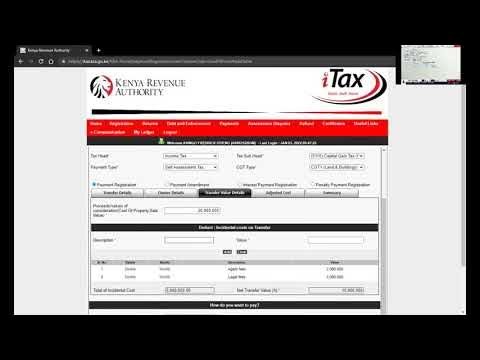
6. Kenya Revenue Authority (KRA)
→ Collects all property-related taxes
- Stamp Duty (4% on transfer)
- Capital Gains Tax (15% on profit)
- Rental Income Tax (10% individuals, 30% companies)
- Leasehold Rent (for govt land)
🌐 itax.kra.go.ke
7. National Construction Authority (NCA)
→ Licenses contractors & ensures building standards
- Registers developers & contractors
- Enforces building codes (safety, materials, design)
- Issues completion certificates
🌐 nca.go.ke
🚫 No NCA certificate = No occupation permit = No legal occupancy.
📜 Top 10 Real Estate Laws in Kenya (2025)
| 1. Land Act (2012) | Land ownership, administration, rights | Defines freehold, leasehold, community land |
| 2. Land Registration Act (2012) | Titling, registries, transfers | All land must be registered — no “agreement for sale” is enough |
| 3. Sectional Properties Act (2020) | Apartments, units, shared ownership | Governs strata titles for flats, offices, malls |
| 4. Physical Planning Act | Zoning, building permits, development plans | You can’t build a mall in a residential zone |
| 5. Environmental Management Act | NEMA approvals, EIA reports | Required for projects >10 units or near rivers/forests |
| 6. Rent Restriction Act | Tenant rights, eviction rules, rent increases | Caps rent hikes at 10% every 2 years in controlled areas |
| 7. Stamp Duty Act | Transfer taxes (4% buyer, 2% seller) | Must be paid before transfer at Lands Registry |
| 8. Capital Markets Act | REITs, securitization, investor protection | Required for property-backed investments |
| 9. Real Estate (Regulation) Act (Proposed) | Pending— aims to centralize regulation | Would create a “Real Estate Regulatory Authority” |
| 10. Data Protection Act (2019) | Client data, digital listings, privacy | Agents must protect client info — no unsolicited calls |
💼 How to Get Licensed as a Real Estate Agent (EARB Process)
As of 2025, all agents must be EARB-licensed. Here’s how:
✅ Step 1: Complete Accredited Training (3 Months)
→ From KSRE, REIK, PIEA, or NIBS (see earb.go.ke/accredited )
✅ Step 2: Pass EARB Exam (65%+ to pass)
→ 100 MCQs on law, ethics, contracts, land transactions
✅ Step 3: Submit Documents Online
→ ID, KRA PIN, Good Conduct Certificate, Training Cert, Office Proof
✅ Step 4: Pay Fees
→ Application: Ksh 5,000 | License: Ksh 10,000 | Renewal: Ksh 7,500/year
✅ Step 5: Display License Number
→ On all ads, social media, business cards, WhatsApp status
📅 Renew by June 30 yearly — or face suspension.
⚠️ 5 Common Legal Pitfalls (And How to Avoid Them)
1. ❌ Buying Land Without Official Search
→ Always conduct search at Lands Registry (Ksh 500) — verify no caveats, charges, or court cases.
2. ❌ Paying Agent in Cash Without Receipt
→ Use company M-Pesa or bank — get stamped receipt with EARB license number.
3. ❌ Skipping NEMA or County Approvals
→ No approvals = demolition risk. Always verify before buying or building.
4. ❌ Signing “Agreement for Sale” Instead of Transfer
→ Only title deed transfer at Lands Registry = legal ownership. “Agreement” is not enough.
5. ❌ Under-Declaring Property Value to Avoid Tax
→ KRA now cross-checks sale prices with bank deposits & stamp duty docs — penalties + audits.
🏡 Your Rights as a Property Buyer or Tenant
👉 As a Buyer:
✔️ Right to full disclosure (encumbrances, approvals, defects)
✔️ Right to cancel if developer misses deadlines (under Sectional Properties Act)
✔️ Right to warranty (2 years for new builds under NCA)
✔️ Right to sue for misrepresentation (under Consumer Protection Act)
👉 As a Tenant:
✔️ Right to 90-day notice before eviction (Rent Restriction Act)
✔️ Right to habitable premises (water, sanitation, safety)
✔️ Right to receipts for all payments
✔️ Right to challenge unfair rent hikes (max 10% every 2 years in controlled zones)
🛡️ Always use a lawyer — your agent is not your legal advisor.
❓ Frequently Asked Questions (FAQs)
Q: Is there a “Real Estate Regulatory Authority” in Kenya?
A: Not yet — but a bill is pending in Parliament. For now, regulation is split across EARB, CMA, NCA, and counties.
Q: Can I buy property without a lawyer?
A: Technically yes — but extremely risky. Lawyers verify title, draft contracts, and ensure compliance. Never skip this.
Q: What if my agent is not licensed?
A: Report them to EARB (complaints@earb.go.ke or 0720 500 555). You can also sue for damages if defrauded.
Q: How do I verify a developer’s license?
A: Check NCA registration at nca.go.ke and CR12 at eCitizen BRS .
Q: Are digital signatures legal for property contracts?
A: Yes — under Kenya’s Electronic Transactions Act — if both parties consent and identity is verified.