Rent Withholding Tax Kenya
If you’re a landlord or tenant in Kenya, you may be wondering:
Is there rent withholding tax in Kenya?
Here’s the 2024 update:
❌ No. There is currently NO withholding tax on rent payments in Kenya.
This changed in January 2023, when the Finance Act 2022 removed the 10% withholding tax that previously applied to rent paid to individuals.
This is a major shift—and it affects how both landlords and tenants handle rental payments.
What Changed? Rent Withholding Tax Removed
Before 2023:
- Tenants or employers (for staff housing) had to deduct 10% from rent paid to individuals
- The 10% was remitted to KRA as Withholding Tax (WHT)
- Landlords received 90%, and WHT was credited to their tax account
✅ As of January 1, 2023:
- 10% WHT on rent is abolished
- Tenants no longer deduct tax from rent
- Landlords must self-declare and pay tax on rental income via KRA iTax
📌 Source: Finance Act 2022, Section 62
Who Does This Affect?
| Landlords (Individuals) | No longer receive 90% of rent—now getfull amount, but mustfile and pay taxthemselves |
| Tenants | No longer required to deduct tax—payfull rentand keep receipts |
| Employers | No longer withhold tax on staff housing allowances |
| Corporate Landlords | No change—companies still pay Corporation Tax on rent income |
How Should Landlords Pay Tax on Rent Now?
Since no tax is withheld, landlords must actively declare rental income.
Step 1: Register on KRA iTax
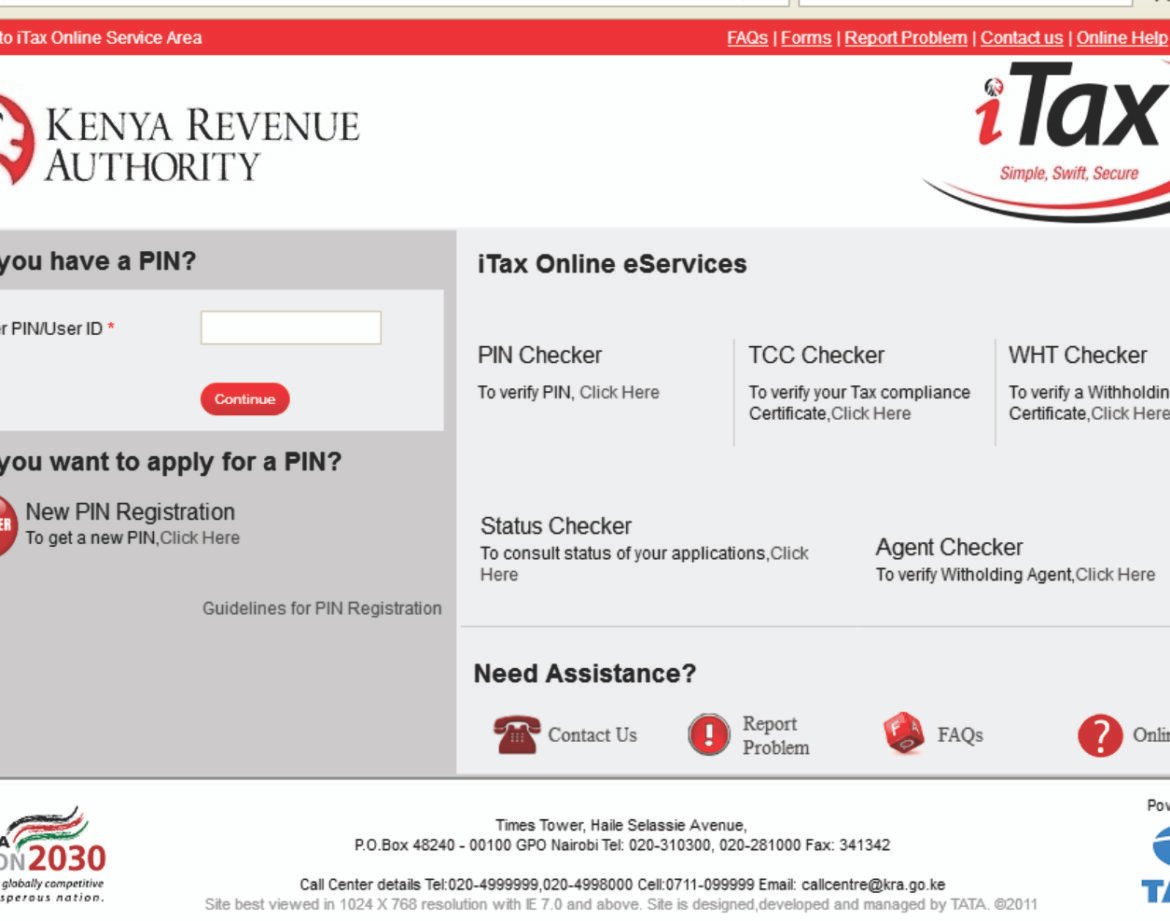
- Go to: https://itax.kra.go.ke
- Register as a taxpayer if you’re not already
Step 2: Declare Rental Income
- File under “Rental Income” or “Other Income” in your annual Income Tax Return (ITR)
- Deduct allowable expenses (repairs, agent fees, insurance)
- Apply 15% personal relief on net rent
Step 3: Pay Tax Owed
- Pay via iTax using M-Pesa, bank, or card
- Keep all rent receipts and lease agreements for audit
📌 Note: Even if you earn little rent, you must declare it if you’re a registered taxpayer.
What Tenants Should Do
✅ Pay full rent – No need to deduct 10%
✅ Get a receipt – Always ask for a signed or digital receipt (M-Pesa statement counts)
✅ Keep records – Save payment history for your own protection
💡 Tip: Use platforms like RentHero or RentGo for automatic receipts and payment tracking.
Example: How It Works Now
Scenario:
- Monthly rent: Ksh 40,000
- Paid for 12 months = Ksh 480,000/year
- Allowable expenses (repairs, agent fee): Ksh 60,000
- Net rent: Ksh 420,000
- 15% relief: Ksh 63,000
- Taxable income: Ksh 357,000
This is taxed at progressive rates (10%, 15%, 20%, etc.).
Landlord pays tax via iTax—no one deducts it upfront.
Why Was Withholding Tax Removed?
The government removed WHT on rent to:
- Simplify tax compliance
- Encourage formal reporting
- Reduce burden on tenants and small landlords
- Promote transparency in rental income
But it places more responsibility on landlords to self-report.
Risks of Not Declaring Rental Income
Even without withholding tax, rental income is taxable. If you don’t declare:
- KRA can audit based on bank deposits, M-Pesa flows, or lifestyle
- You may face penalties, interest, or prosecution
- It affects your creditworthiness and loan eligibility
📌 Bottom line: No WHT ≠ No tax.
Final Thoughts
While there is no rent withholding tax in Kenya as of 2024, the responsibility to pay tax hasn’t disappeared—it’s just shifted.
✅ Tenants: Pay full rent, get receipts, keep records
✅ Landlords: Self-declare on iTax, claim deductions, pay what you owe
This change rewards honest, compliant landlords and simplifies the rental process—for everyone.
Stay informed. Stay compliant. And never assume “no WHT” means “no tax.”

Frequently Asked Questions (FAQ)
Q: Do tenants still deduct 10% tax from rent in Kenya?
A: No. As of 2023, tenants are no longer required to withhold tax on rent.
Q: Are landlords still taxed on rental income?
A: Yes. Landlords must self-declare and pay tax on net rental income via KRA iTax.
Q: What proof of payment should tenants keep?
A: M-Pesa confirmation, bank transfer receipt, or signed rent receipt. Digital records are acceptable.