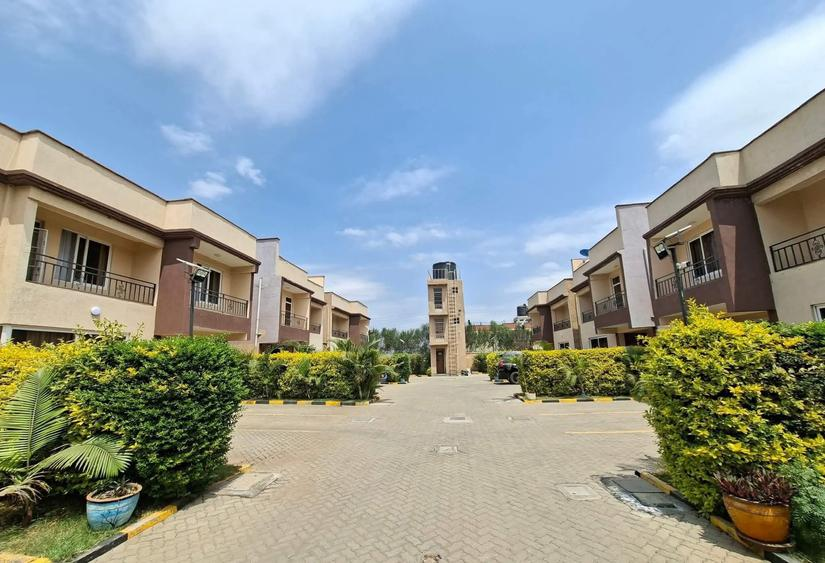
Kenya Real Estate Finance Bill 2025
Why Kenya Needs a Real Estate Finance Reform Bill
Kenya’s property sector is starved of long-term, affordable financing. Despite a massive housing deficit (estimated at 2 million units), only ~30,000 mortgages are active nationwide — due to:
- High interest rates (13–16% average)
- Stringent collateral requirements
- Low public awareness of alternative financing
- Fragmented regulation across CBK, CMA, Ministry of Lands, and NHC
A coordinated “Real Estate Finance Bill” could align laws, unlock capital, and make homeownership achievable for millions.

🔮 7 Likely Components of a Future Kenya Real Estate Finance Bill
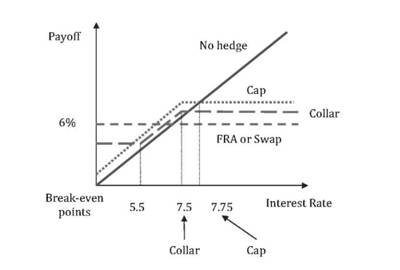
1. Mortgage Interest Rate Cap or Subsidy Scheme
“The Bill may cap mortgage rates at 10% for affordable housing units or introduce government interest subsidies.”
- Modeled after programs in Egypt, India, and South Africa
- Could apply to homes under Ksh 5 million (aligned with Affordable Housing Programme)
- Funded via National Housing Fund or Treasury guarantees
2. Mandatory Employer Housing Contributions (Like NHIF/NSSF)
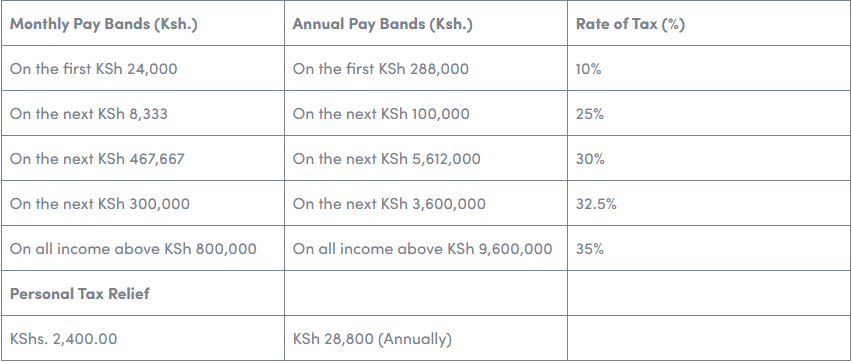
“Employees may contribute 1–1.5% of salary to a National Housing Development Fund — matched by employers.”
- Similar to Singapore’s CPF or Malaysia’s EPF
- Funds could be used for down payments, mortgage top-ups, or retirement housing
- Managed by NHIF or a new Housing Finance Authority
3. Tax Incentives for Developers & REITs
“Developers of affordable housing may receive 10-year tax holidays, VAT exemptions, or reduced stamp duty.”
- Encourage private sector participation in Big 4 projects
- Boost REIT formation by reducing capital gains tax on property transfers into trusts
- Allow 100% mortgage interest deduction for first-time buyers (currently limited)

4. Establishment of a Secondary Mortgage Market
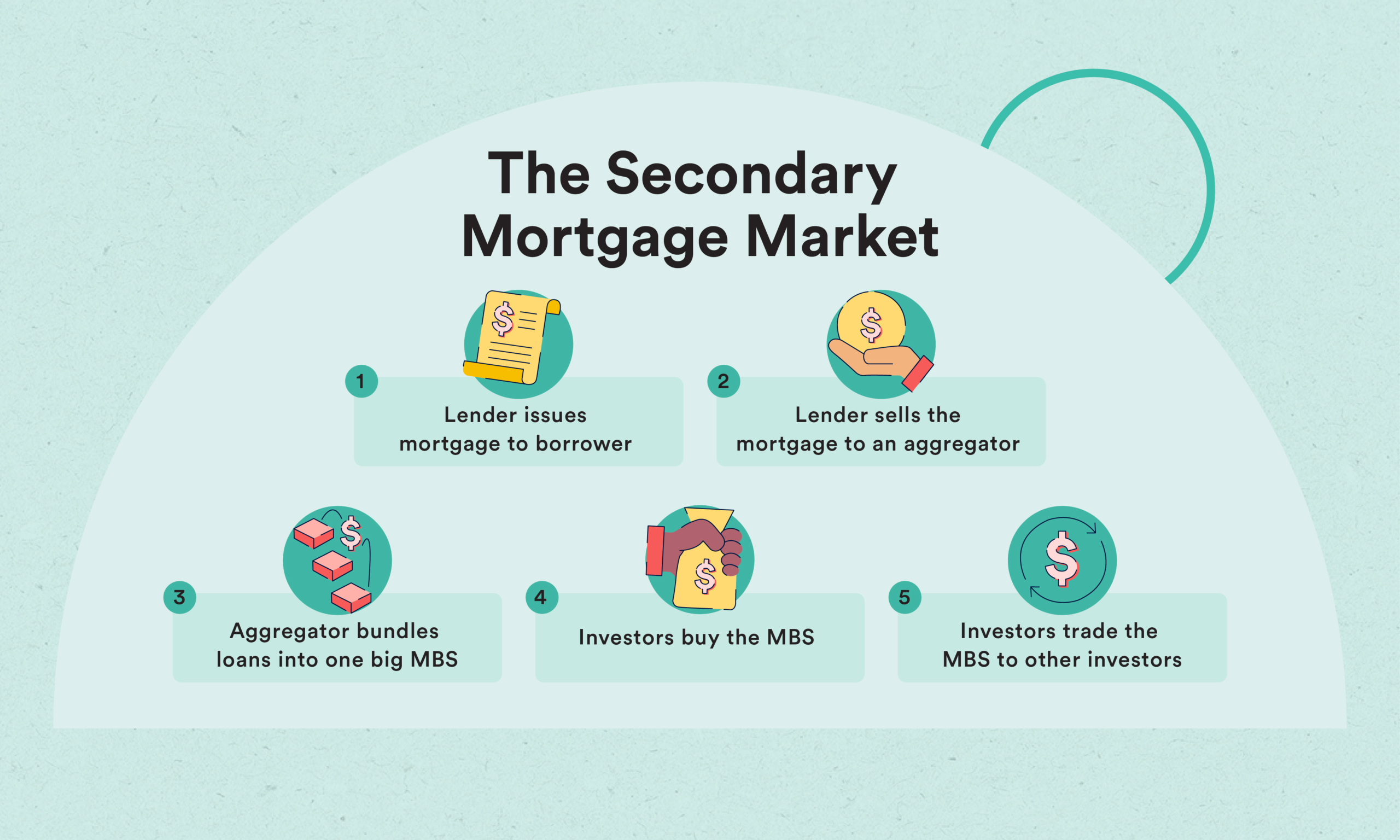
“Banks may be allowed to package and sell mortgages to institutional investors — freeing up capital for new loans.”
- Modeled after U.S. Fannie Mae / Freddie Mac
- Backed by a government guarantee agency to reduce investor risk
- Could dramatically increase mortgage availability
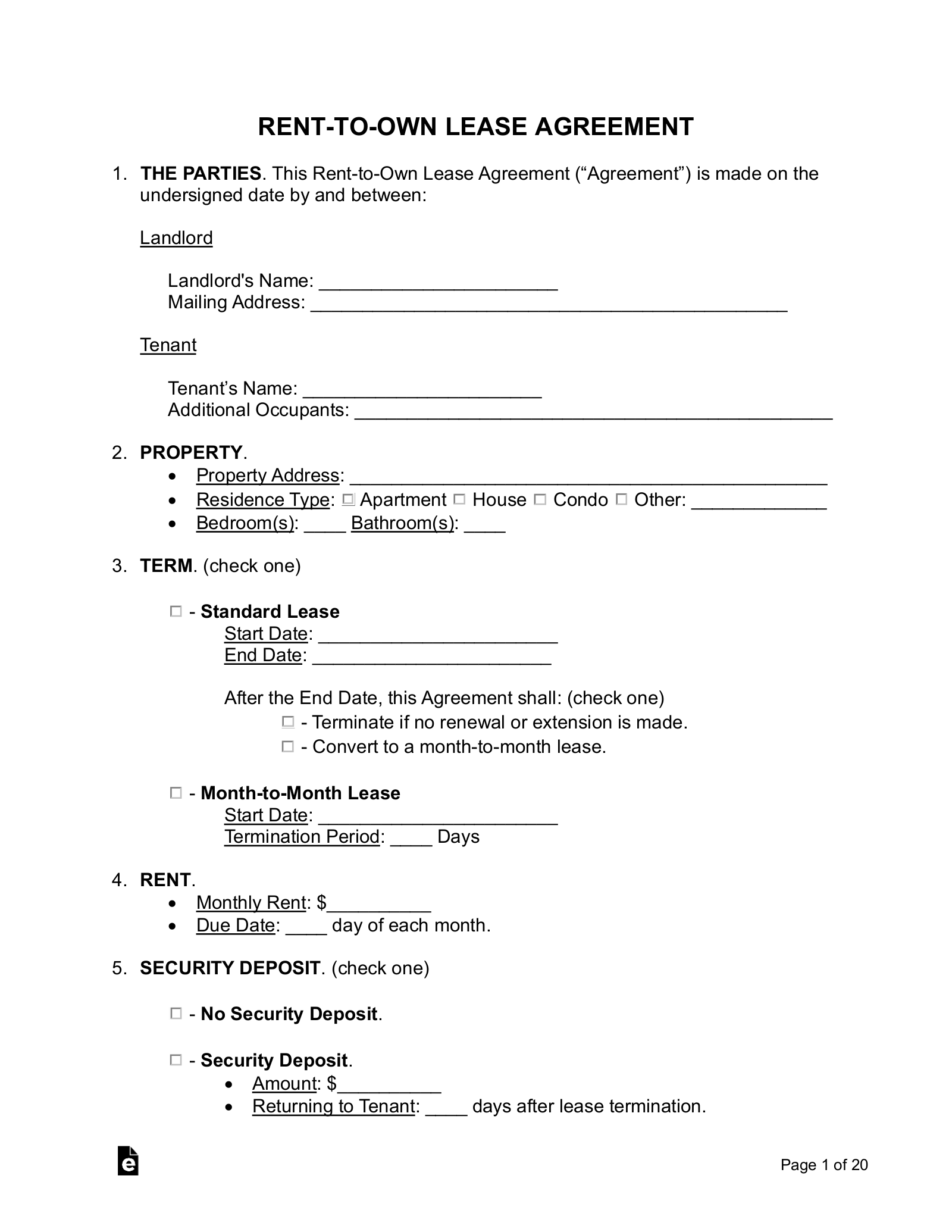
5. Rent-to-Own Legal Framework
“Formalize and regulate rent-to-own schemes — protecting tenants and enabling gradual ownership.”
- Requires standardized contracts, escrow accounts, and title transfer timelines
- Prevents exploitation by unregulated developers
- Supported by Ministry of Lands and CMA
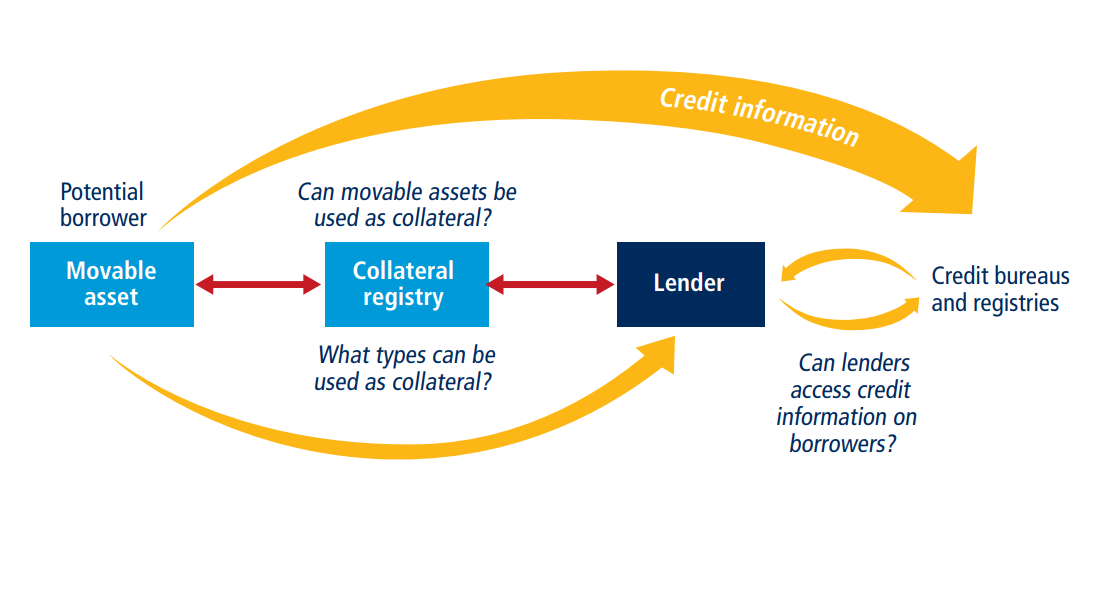
6. Digital Mortgage Registry & Collateral Registry Integration
“All mortgages to be registered digitally via e-Citizen — integrated with CRB and Lands Registry.”
- Reduce fraud and double-pledging of property
- Speed up loan processing (target: 14 days from application to disbursement)
- Enable “mobile mortgages” via fintech partnerships
7. Inclusion of Diaspora & Informal Sector Workers
“Diaspora Kenyans and informal workers may access mortgages using alternative credit scoring (mobile money, SACCO records).”
- Partner with World Bank, IFC, and fintechs like Tala, Branch, or Pezesha
- Accept remittance history as income proof
- Link to Huduma Namba and e-Citizen for KYC

🏗️ Current Laws & Policies That May Feed Into This Bill
While no “2025 Bill” exists yet, these active frameworks may evolve into it:
| Affordable Housing Act (2023) | Provides legal basis for housing projects, contributions, and allocations. |
| Finance Act 2024 | Introduced 3% housing levy (now suspended) — may be redesigned. |
| CBK Prudential Guidelines | Encourage banks to increase mortgage lending with better risk models. |
| CMA REIT Regulations (2013) | May be amended to incentivize more REITs as financing vehicles. |
| National Housing Corporation (NHC) Strategy | Pushing for blended finance models and public-private partnerships. |
⚠️ Note: The 3% Housing Levy was halted by the High Court in 2023. Any new bill must address this legally.
💡 Who’s Advocating for Real Estate Finance Reform?
- Central Bank of Kenya (CBK) → Pushing for deeper mortgage markets
- Capital Markets Authority (CMA) → Promoting REITs and securitization
- Ministry of Lands & Housing → Driving Affordable Housing Agenda
- Kenya Bankers Association (KBA) → Lobbying for risk-sharing facilities
- Private Developers (Home Afrika, Acorn, etc.) → Seeking tax breaks and faster approvals
- Civil Society (Haki Jamii, Kituo cha Sheria) → Demanding inclusive, transparent frameworks
❓ Frequently Asked Questions (FAQs)
Q: Is the Kenya Real Estate Finance Bill 2025 law yet?
A: No. As of April 2025, no such bill has been introduced in Parliament. This is a speculative analysis based on policy trends.
Q: What happened to the 3% housing levy?
A: It was suspended by the High Court in 2023 following public petitions. Any new financing model must pass constitutional muster.
Q: How can I access affordable financing now?
A: Try:
- NHIF Affordable Housing Scheme (if you’re a contributor)
- Banks: KCB MyHome, Co-op Bank Home Loan, Stanbic Ibtc
- SACCOs: Stima, Afya, Harambee
- Developers: Home Afrika, Bryan Properties (installment plans)
Q: Will this bill lower mortgage rates?
A: Potentially — through subsidies, risk-sharing, or interest caps. But banks’ cost of funds must also decrease.
Q: How can I stay updated?
A: Follow:
- Parliament of Kenya Bills
- Ministry of Lands & Physical Planning
- CBK Financial Stability Reports
- News outlets: Business Daily, The Standard, NTV Kenya