
Kenya Real Estate Market Changes
Top 10 Real Estate Market Changes in Kenya (2025)
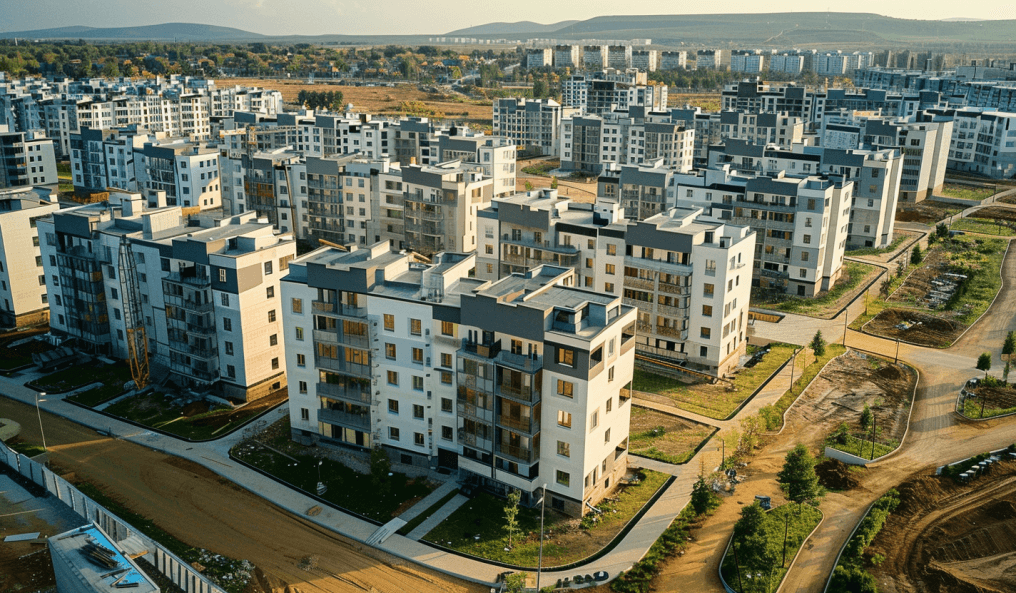
1. 🏙️ Satellite Towns Are Outperforming Nairobi CBD
Change: Buyers are fleeing Westlands & Kilimani for Ruaka, Ruiru, Kitengela, and Athi River.
Why:
- 40–60% lower prices
- New infrastructure (Expressway, SGR, bypasses)
- Gated communities with schools, malls, hospitals
Impact:
→ Westlands apartment prices dipped 5% YoY
→ Ruaka land prices up 25% YoY
→ Developers shifting focus to “15-minute cities” outside Nairobi
💡 Adaptation Tip: If buying to live — prioritize commute + lifestyle. If investing — focus on rental yields in satellite towns (8–12%).

2. 🏗️ Affordable Housing Is Reshaping Demand
Change: Government + private developers (CRBC, Home Afrika) launching 50,000+ NHIF-linked units.
Why:
- Big 4 Agenda + Housing Fund
- NHIF access for contributors
- Flexible payment plans (up to 36 months)
Impact:
→ Mid-market (Ksh 3M–8M) is Kenya’s fastest-growing segment
→ Traditional “middle-class” developers struggling to compete
→ Banks creating special mortgage products for affordable units
💡 Adaptation Tip: First-time buyers — use NHIF. Investors — avoid competing with govt-subsidized units.
3. 💻 Tech Is Replacing Traditional Agents
Change: Buyers now start search on apps (BuyRentKenya, Property24) — not with agents.
Why:
- Virtual tours, AI match, M-Pesa deposits
- Agent ratings & reviews online
- WhatsApp/Zoom viewings
Impact:
→ Top 20% of agents thriving (tech-savvy, niche experts)
→ Bottom 50% losing clients (relying on flyers, word-of-mouth)
→ Agencies investing in CRM, chatbots, digital marketing
💡 Adaptation Tip: Agents — go digital or go home. Buyers — verify agent’s EARB license even if found online.

4. 📉 Office Market Is Polarizing — “Flight to Quality”
Change: Grade A towers (Britam, UAP) 90% occupied — older CBD buildings 30–40% vacant.
Why:
- Hybrid work = less space needed
- Tenants demand wellness, tech, sustainability
- Landlords offering fit-out contributions + flexible leases
Impact:
→ Grade A rents stable (Ksh 200–250/sq ft)
→ Grade C rents down 15–20%
→ Conversions to co-living, student housing, logistics
💡 Adaptation Tip: Investors — avoid old office blocks. Tenants — negotiate 3–6 months rent-free + fit-out allowance.

5. 🌊 Coastal Property Is Back — But Different
Change: Diani & Nyali booming — but demand is for short-term luxury rentals, not permanent homes.
Why:
- Post-pandemic travel rebound
- Remote workers + “digital nomads”
- Improved security + infrastructure (Dongo Kundu Bypass)
Impact:
→ Beachfront land up 20–30% YoY
→ Airbnb yields 10–15% (vs. 5% long-term)
→ Developers launching “managed rental” villas
💡 Adaptation Tip: Buy for short-term rental — hire professional manager. Avoid “permanent home” mindset.

6. 🏭 Industrial & Logistics Is Kenya’s Hottest Sector
Change: Warehouses near Mombasa Rd, Athi River, Naivasha 95%+ occupied.
Why:
- E-commerce boom (Jumia, Copia, Sky.Garden)
- SGR cargo growth
- Manufacturing (EPZs, SEZs)
Impact:
→ Warehouse rents up 15% YoY
→ Land prices near Naivasha SGR Dry Port doubled since 2023
→ New REITs targeting logistics assets
💡 Adaptation Tip: Investors — buy land near SGR/Expressway. Developers — build last-mile hubs.

7. 🎓 Student & Medical Hostels = Hidden Goldmine
Change: Purpose-built hostels near universities/hospitals delivering 12–18% yields.
Why:
- 500,000+ university students
- Private healthcare expansion
- Parents/investors buying units for rental
Impact:
→ Developers (Acorn, Zhongmei) launching “buy-to-let” hostel projects
→ All-inclusive rents (WiFi, security, cleaning)
→ Low tenant turnover
💡 Adaptation Tip: Buy in bulk (3+ units) for management discounts. Target JKUAT, Kenyatta, Moi, Avenue Hospital.
8. 🧑💻 Flex Space & Co-Working Is Mainstream
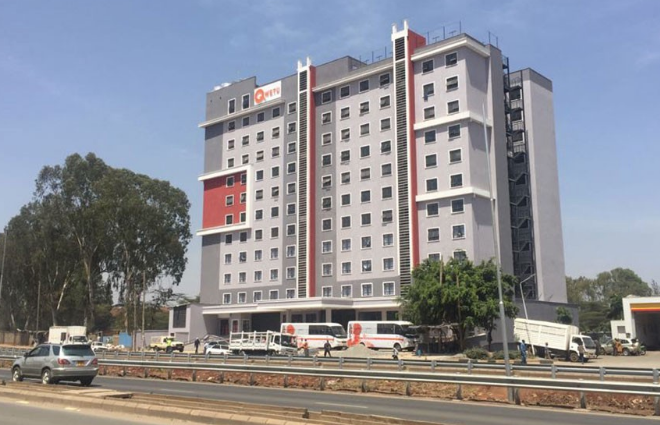
Change: 40% of new office leases are flexible (hot desks, private offices, 6–12 month terms).
Why:
- Startups, freelancers, remote teams
- Cost control + no long commitments
- Community + networking
Impact:
→ Nairobi Garage, Ikigai expanding to Nakuru, Eldoret, Kisumu
→ Landlords converting vacant offices to flex space
→ Corporate tenants using flex for “satellite teams”
💡 Adaptation Tip: SMEs — save 30% vs. traditional lease. Investors — convert underused space to flex.
9. ⚖️ Regulation Is Tightening — No More “Wild West”
Change: EARB, KRA, NCA cracking down on unlicensed agents, tax evasion, unsafe buildings.
Why:
- Consumer protection
- Revenue collection
- Safety (post-GTC fire)
Impact:
→ Unlicensed agents fined or jailed
→ KRA auto-auditing rental income via M-Pesa/bank data
→ NCA blocking occupancy for unapproved buildings
💡 Adaptation Tip: Always use licensed agent + lawyer. Declare all income. Get NCA certificate before occupying.
10. 🌱 Sustainability & Wellness Are Now Premium Features
Change: Buyers pay 10–20% more for solar, rainwater, air purification, green space.
Why:
- Climate awareness
- Health focus (post-COVID)
- Lower utility bills
Impact:
→ Developers (Rendeavour, Cytonn) adding “wellness specs”
→ LEED/EDGE certification = faster sales
→ County rebates for eco-features (Nairobi, Mombasa)
💡 Adaptation Tip: Buyers — prioritize long-term savings. Developers — market sustainability as ROI, not cost.
📊 Kenya Real Estate Price Changes by Segment (2024 vs. 2025)
| Westlands 2-Bed Apartment | Ksh 11.5M | Ksh 10.9M | ▼ 5.2% |
| Ruaka 2-Bed Apartment | Ksh 5.2M | Ksh 6.1M | ▲ 17.3% |
| Karen 1-Acre Plot | Ksh 320M | Ksh 350M | ▲ 9.4% |
| Diani Beachfront Villa | Ksh 380M | Ksh 460M | ▲ 21.1% |
| Naivasha Warehouse (sq ft) | Ksh 90 | Ksh 110 | ▲ 22.2% |
| JKUAT Student Unit | Ksh 2.5M | Ksh 2.9M | ▲ 16.0% |
💡 How to Adapt: Smart Strategies for 2025
👉 For Buyers:
- Negotiate harder — sellers more flexible in 2025 than 2023
- Prioritize cash flow over “dream home” — yields matter more than appreciation
- Use tech — apps save time, reduce agent dependency
👉 For Sellers:
- Stage & declutter — buyers expect “move-in ready”
- Offer flexible terms — installment plans, rent-back options
- Highlight sustainability — solar, borehole, insulation = premium pricing
👉 For Investors:
- Diversify — don’t put all money in one asset class (e.g., only offices)
- Focus on income — student hostels, logistics, short-term rentals
- Go where infrastructure is coming — not where it’s already saturated
👉 For Agents:
- Specialize — “I sell land in Athi River” beats “I sell everything”
- Go digital — Instagram Reels, WhatsApp Catalogs, Virtual Tours
- Add value — help clients with KRA, EARB, legal — don’t just list property
👉 For Developers:
- Partner with government — NHIF, Affordable Housing = guaranteed buyers
- Build for rental — not just sale — offer management services
- Embrace PropTech — digital sales, M-Pesa payments, online tracking
❓ Frequently Asked Questions (FAQs)
Q: Is now a good time to buy property in Kenya?
A: Yes — if you buy in growing areas (satellite towns, logistics zones) and negotiate well. Avoid overpriced, stagnant markets (CBD offices, unplanned peri-urban land).
Q: Are property prices falling?
A: In Westlands/CBD — slightly. In Ruaka/Ruiru/Diani/Naivasha — rising fast. Location is everything.
Q: How is inflation affecting the market?
A: Construction costs up 20–30% — pushing new builds higher. But demand for affordable/rental units is strong — creating opportunity.
Q: What’s the biggest risk in 2025?
A: Buying from unlicensed agents or unapproved developers. Always verify EARB, NCA, title deed.
Q: Will mortgage rates drop in 2025?
A: Possibly late 2025 if inflation cools — but don’t wait. NHIF & developer plans are better options now.