Rent Increase Notice Kenya
A rent increase notice in Kenya is a formal communication from a landlord to a tenant announcing a change in monthly rent.
But is every rent hike legal? How much notice must be given? And what can tenants do if the increase is unfair?
Whether you’re a landlord planning a raise or a tenant facing a sudden hike, this 2024 guide covers: ✅ Legal requirements
✅ Required notice period
✅ How to write a valid notice
✅ Tenant rights & next steps
Let’s ensure your rent increase is fair, legal, and professional.
Is a Rent Increase Legal in Kenya?
Yes—but with conditions.
Under the Rent Restriction Act (Cap 270), landlords in controlled areas (e.g., Nairobi, Mombasa, Nakuru, Kisumu) cannot increase rent arbitrarily.
✅ Legal if:
- Proper notice is given
- The increase is reasonable
- It follows the lease terms
❌ Illegal if:
- No notice is given
- Hike is sudden or excessive
- Tenant is locked out or harassed
💡 Note: In non-controlled areas, landlords have more flexibility—but tenants still have rights under contract law.
How Much Notice Is Required?
Landlords must give at least 30 days’ written notice before a rent increase takes effect.
📌 Best Practice:
- 60–90 days’ notice is recommended for fairness
- Must be in writing (email, letter, or digital message with proof)
- Should include:
- New rent amount
- Effective date
- Reason (optional but helpful)
⚠️ No verbal-only notices. Always keep a record.<!– IMAGE SUGGESTION 1 –>
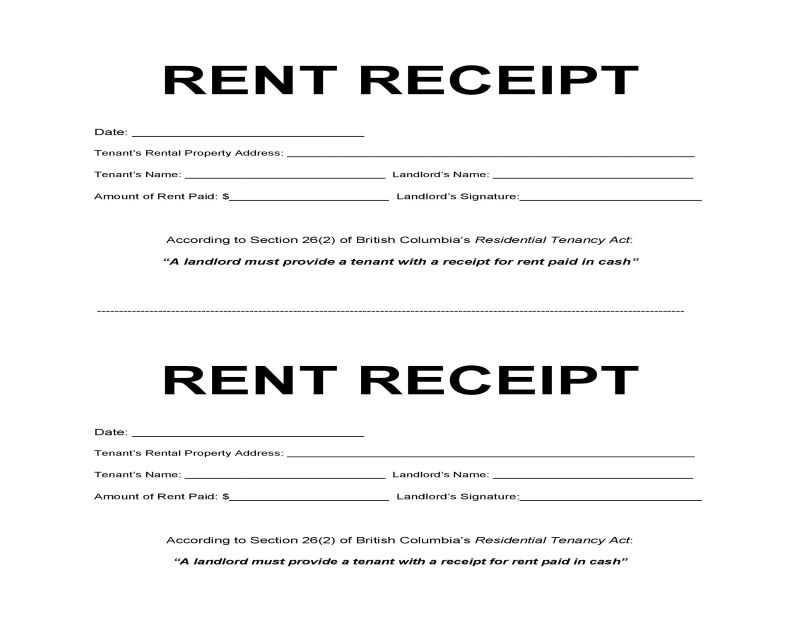
Rent Increase Rules by Lease Type
| Fixed-Term Lease (e.g., 1 year) | ❌ No increase during the term unless agreed in contract |
| Month-to-Month Lease | ✅ Yes, with 30+ days’ notice |
| Expired Lease (no renewal) | ✅ Yes, with proper notice |
📌 Example: If your 1-year lease ends in June, the landlord can propose a new rent for July—with 30 days’ notice.
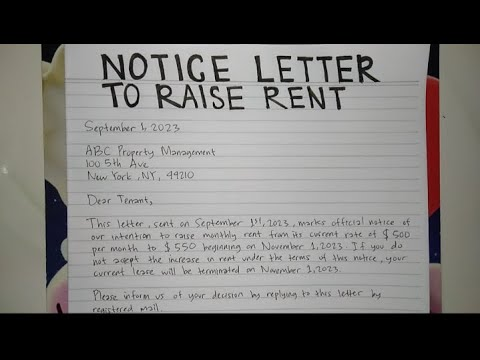
Free Rent Increase Notice Template (Kenya 2024)
👉 Copy & customize this text:
RENT INCREASE NOTICE
Date: [Insert Date]
To: [Tenant’s Full Name]
ID No.: [Insert ID Number]
Property Address: [Insert Full Address]
Dear [Tenant’s Name],
This letter serves as formal notice of a rent increase for the above property.
Current Monthly Rent: Ksh [Insert Amount]
New Monthly Rent: Ksh [Insert New Amount]
Effective Date: [Insert Date, at least 30 days from notice]
This adjustment is due to [brief reason: e.g., rising maintenance costs, market rates].
Please confirm your acceptance or intention to vacate by [Insert Deadline, 7–14 days before effective date].
If you wish to continue renting, the new amount will be due on [Insert Date].
Thank you for being a responsible tenant.
Sincerely,
[Landlord’s Full Name]
ID No.: [Insert ID Number]
Phone: [Insert Number]
Signature: ___________________
📌 Tip: Send via email, WhatsApp (screenshot), or hand-deliver with a signed copy.
What Tenants Should Do When Receiving a Rent Increase Notice
1. Check Your Lease Agreement
- Does it allow increases?
- Is the landlord violating the fixed term?
2. Verify Fairness
- Compare with similar properties in the area
- Is the hike 10–15% (normal), or 50%+ (suspicious)?
3. Respond in Writing
You can:
- Accept the increase
- Negotiate a lower rate
- Give notice to vacate (if unwilling to pay)
4. Do NOT Stop Paying Rent
If you dispute the hike, pay the old rent and escalate legally—don’t risk eviction.
5. File a Complaint (If Unfair)
In controlled areas, you can file with:
- County Rent Tribunal
- Lands Office
- Legal Aid Centre (e.g., Kituo Cha Sheria)
Can a Landlord Increase Rent Mid-Lease?
❌ No, unless:
- The lease agreement specifically allows it
- Both parties agree in writing
If your contract says “Ksh 30,000/month for 12 months,” the landlord cannot raise it to Ksh 40,000 in Month 6—even with notice.
This is a breach of contract.
How to Handle an Unfair Rent Increase
If the hike feels exploitative:
✅ Negotiate politely – Offer to sign a longer lease for a smaller increase
✅ Gather market data – Show comparable rents in the area
✅ Threaten to move out – Landlords often prefer retention over vacancy
✅ Escalate to Rent Tribunal – In controlled areas, they can cap unfair hikes
📌 Note: The Tribunal can reverse illegal increases and protect you from eviction.

Final Thoughts
A rent increase notice in Kenya is legal—but only if done correctly and fairly.
Landlords: Be transparent, give proper notice, and respect the lease.
Tenants: Know your rights, respond professionally, and act fast if it’s unfair.
With the right approach, rent adjustments can be smooth for both sides.

Frequently Asked Questions (FAQ)
Q: How much can a landlord increase rent in Kenya?
A: There’s no fixed limit, but increases should be reasonable (10–15% annually). Sudden 50%+ hikes can be challenged in Rent Tribunal.
Q: Can I be evicted for refusing a rent increase?
A: No. You can’t be evicted during a fixed lease. After it ends, the landlord can offer new terms—or ask you to vacate.
Q: Do I have to accept a rent increase?
A: No. You can negotiate, accept, or vacate when the lease ends. You cannot be forced to pay more without agreement.