What Percentage of Salary Should Go to Rent in Kenya?
If you’re renting in Kenya—whether in Nairobi, Mombasa, or a growing town like Rongai or Kitengela—you’ve probably asked:
“How much of my salary should I spend on rent?”
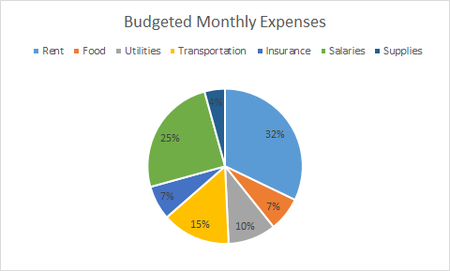
While there’s no one-size-fits-all answer, financial experts and real estate advisors commonly recommend allocating 25% to 35% of your monthly net income to rent.
Go beyond that, and you risk financial stress. Stay within it, and you’ll have room for savings, transport, food, and emergencies.
Let’s break it down.
The 25–35% Rule: A Smart Benchmark
This golden rule helps balance comfortable living with financial stability.
📌 Example:
If your monthly take-home salary is Ksh 80,000, your rent should ideally be:
- 25% = Ksh 20,000 (conservative)
- 35% = Ksh 28,000 (upper limit)
This means a 2-bedroom apartment in Kilimani or Westlands at Ksh 25,000 fits well within budget.
But if rent jumps to Ksh 40,000, that’s 50% of your income
Why Sticking to 35% Matters
Spending more than 35% on rent can lead to:
- Constant money stress
- No savings for emergencies
- Inability to afford maintenance, school fees, or medical costs
- Dependency on loans or family support
In high-cost areas like Lavington or Kileleshwa, where 1-bedroom apartments start at Ksh 35,000+, many tenants exceed this limit—only to struggle with daily expenses.
Adjust Based on Your Situation
The 25–35% rule is a guideline, not a law. Adjust based on:
✅ Income Level
- Lower income (Ksh 30K–50K): Aim for 25–30% to stay safe
- Higher income (Ksh 100K+): Can stretch to 35% for better locations
✅ Location & Lifestyle
- In affordable estates (Ruaka, Syokimau, Buru Buru), you can live well under 30%
- In premium areas (Westlands, Karen), you may need to sacrifice other budgets
✅ Other Expenses
Factor in:
- Transport (can be Ksh 8,000+ in Nairobi)
- School fees
- Loan repayments
- Electricity & water
If transport costs Ksh 10,000/month, don’t also spend Ksh 35,000 on rent from a Ksh 80,000 salary.
Smart Tips to Keep Rent Affordable
- Choose Location Wisely
Consider fast-growing areas like Ngong Road, Athi River, or Ruai—lower rent, good connectivity. - Rent with Roommates
Split a 3-bedroom house in Karen or Runda to reduce individual burden. - Negotiate Long-Term Leases
Landlords may offer discounts for 12–24 month commitments. - Use Rent Payment Apps
Platforms like RentHero help track payments and avoid disputes. - Avoid All-Inclusive Traps
“Water, garbage, security included” sounds good—but verify actual costs.

When It’s Okay to Break the Rule (Briefly)
You might temporarily exceed 35% if:
- You’re in a high-paying job and saving aggressively elsewhere
- You’re on a short-term contract and prioritizing convenience
- You’re relocating and need time to find better options
But treat it as a short-term exception, not a lifestyle.
Final Thoughts
In Kenya’s rising cost-of-living climate, keeping rent between 25% and 35% of your take-home pay is the smartest move for long-term financial health.
It’s not just about having a roof—it’s about not letting rent steal your freedom.
Budget wisely, plan ahead, and rent within your means.<!– IMAGE SUGGESTION 4 –>

Frequently Asked Questions (FAQ)
Q: Is it okay to spend 50% of my salary on rent?
A: Not recommended. It leaves little for savings, transport, and emergencies. Only consider it temporarily.
Q: What if I earn Ksh 40,000? How much should I spend on rent?
A: Stick to Ksh 10,000–14,000 (25–35%). Look in affordable areas like Embakasi, Umoja, or Ruiru.
Q: Does the 35% rule include utilities?
A: No. The 25–35% is for rent only. Always budget separately for water, electricity, and internet.